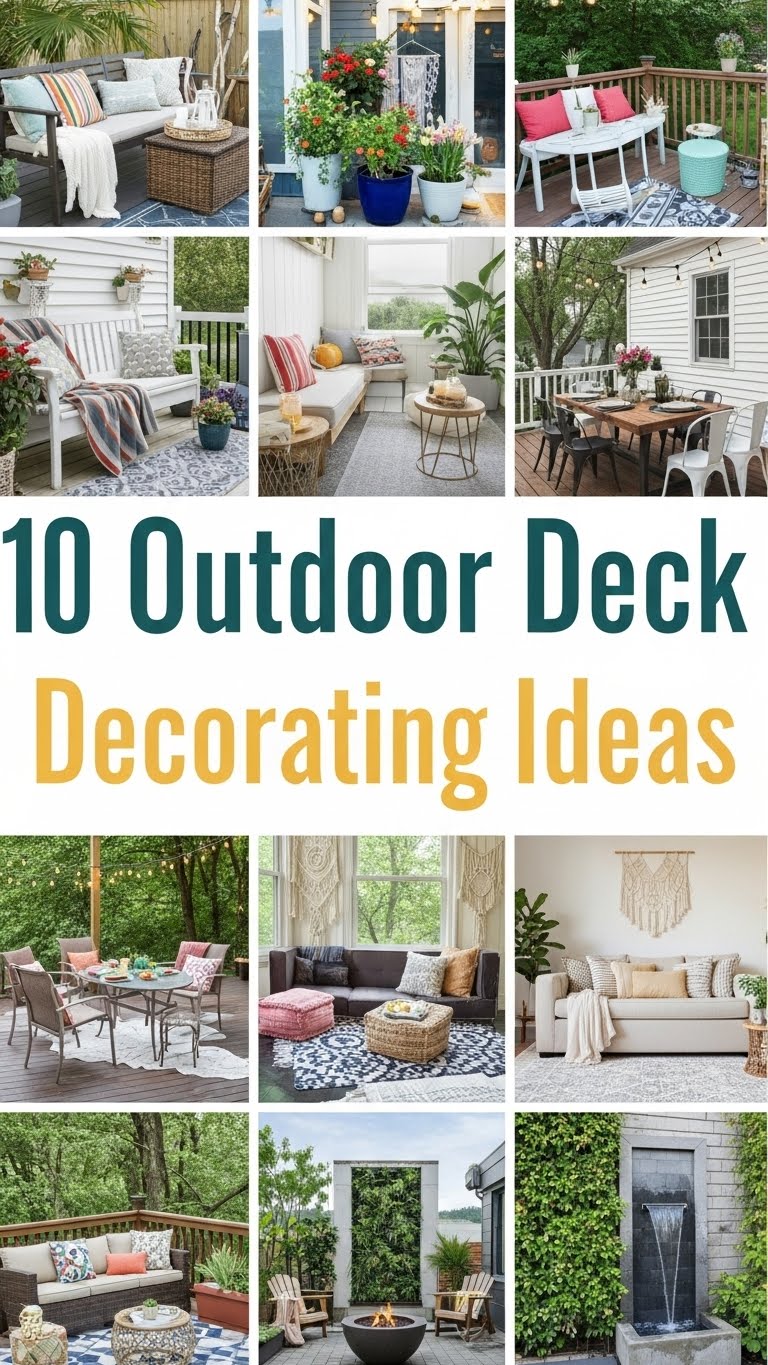
An outdoor deck is more than an extension of your home. It is a stage for everyday moments, quiet mornings, evening conversations, seasonal celebrations, and personal reflection. When thoughtfully decorated, a deck becomes a destination rather than an afterthought. Whether you have a compact urban balcony deck or a wide open backyard platform, intentional design can elevate the space into something meaningful and inviting.
Outdoor deck decorating is not about following rigid rules or copying magazine images. It is about layering comfort, purpose, and personality while respecting the natural environment around you. The most memorable decks feel effortless, yet every choice is deliberate. From furniture placement to texture, color, and lighting, each detail contributes to how the space is experienced.
This article explores ten outdoor deck decorating ideas that focus on atmosphere, functionality, and timeless appeal. These ideas are adaptable to different climates, budgets, and lifestyles, making them ideal inspiration for anyone seeking to enhance their outdoor living space.
1. Create a Defined Living Area That Feels Like an Outdoor Room
One of the most effective ways to decorate an outdoor deck is to treat it as a true living space rather than an empty platform. When a deck feels like an outdoor room, it naturally becomes more inviting and usable.
Start by anchoring the space with furniture arranged in a purposeful layout. A seating area with a sofa, chairs, and a coffee table creates a sense of structure. Position furniture to encourage conversation and relaxation rather than pushing everything against the edges. The goal is to establish a central gathering zone that mirrors the comfort of your indoor living room.
Soft furnishings play a crucial role here. Outdoor cushions, throw pillows, and upholstered seating instantly soften the environment and make it feel lived in. Choose weather-resistant fabrics that still feel comfortable against the skin. Neutral tones create a calming foundation, while subtle patterns add interest without overwhelming the space.
Rugs designed for outdoor use are another powerful tool. They visually define the seating area and add warmth underfoot. A rug can unify furniture pieces and prevent the deck from feeling disjointed. When everything feels connected, the space becomes more intentional and welcoming.

2. Layer Lighting to Set the Mood After Sunset
Lighting transforms an outdoor deck more dramatically than almost any other design element. While daytime use relies on natural light, evening ambiance depends entirely on thoughtful illumination.
Rather than relying on a single overhead light source, layer multiple types of lighting throughout the deck. Soft ambient lighting establishes mood, while task lighting supports practical needs such as dining or reading. Accent lighting highlights architectural features, plants, or railings.
String lights are a classic choice for a reason. When draped overhead or along railings, they create a warm glow that feels festive yet relaxed. Lanterns placed on tables or floors add depth and intimacy, especially when grouped in varying sizes.
Solar lights are a subtle way to illuminate pathways and deck edges without visual clutter. Their gentle glow improves safety while maintaining a natural aesthetic. Candles, whether real or flameless, introduce movement and warmth that feels organic and calming.
The key is restraint. Lighting should enhance the atmosphere without overpowering it. A well-lit deck feels magical rather than overly bright, inviting people to linger well into the evening.

3. Use Natural Materials to Harmonize With the Outdoors
A beautifully decorated deck should feel connected to its surroundings rather than isolated from them. One of the best ways to achieve this is through the use of natural materials that echo the outdoor environment.
Wood, stone, rattan, linen, and cotton all contribute to a sense of authenticity and warmth. Furniture made from teak or acacia ages gracefully and blends seamlessly with greenery. Woven textures such as wicker chairs or rope accents add visual softness and tactile interest.
Decorative accessories should feel intentional but understated. Wooden trays, ceramic planters, and stone side tables add character without feeling artificial. Even metal accents, when kept minimal, can complement natural textures rather than competing with them.
Color choices also play an important role. Earth tones such as sand, clay, sage, and charcoal ground the space and create visual harmony. When these colors are layered thoughtfully, the deck feels cohesive and calming, inviting you to slow down and enjoy your surroundings.

4. Incorporate Greenery to Bring Life and Movement
No outdoor deck feels complete without plants. Greenery introduces color, texture, and movement, instantly making the space feel alive. Even the simplest deck benefits from thoughtfully placed plants.
Potted plants are versatile and adaptable. Large planters can frame seating areas or anchor corners, while smaller pots add charm to tables and shelves. Mixing plant sizes creates visual rhythm and prevents the space from feeling flat.
Vertical elements such as trellises or tall planters help define boundaries and provide privacy. Climbing plants soften hard lines and add height without taking up valuable floor space. Herbs and flowering plants bring fragrance and seasonal interest, enhancing the sensory experience of the deck.
When selecting plants, consider maintenance and climate. Choose varieties that thrive in your environment and suit your level of care. Healthy plants always look better than high-maintenance ones struggling to survive. A deck filled with thriving greenery feels peaceful and intentional rather than forced.

5. Design a Dining Area That Encourages Shared Moments
Outdoor dining transforms everyday meals into memorable experiences. A well-designed dining area makes the deck a natural gathering place for family and friends.
Choose a dining table that fits the scale of your deck. It should allow enough room for chairs to move comfortably without crowding the space. Materials matter here as well. Tables made from weather-resistant wood, metal, or composite materials ensure longevity without sacrificing style.
Comfortable seating is essential. Dining chairs with cushions encourage guests to linger rather than rush through meals. Bench seating can be a practical option for larger gatherings while maintaining a relaxed aesthetic.
Decorating the dining area does not require elaborate centerpieces. Simple touches such as a runner, a bowl of seasonal fruit, or a small arrangement of greenery add charm without overwhelming the table. Overhead lighting or a nearby lantern ensures the area remains functional after sunset.
When the dining area feels welcoming, meals become experiences rather than routines, and the deck becomes a true extension of your hospitality.

6. Add Privacy Without Sacrificing Openness
Privacy is often a concern for outdoor decks, especially in urban or suburban settings. However, privacy solutions do not need to feel closed off or heavy.
Natural barriers such as tall plants, hedges, or bamboo screens provide separation while maintaining an organic look. Curtains designed for outdoor use can be drawn when needed and left open to preserve airflow and light.
Wooden slat walls or lattice panels offer partial privacy while allowing glimpses of the surrounding environment. These structures can also serve as backdrops for plants or lighting, adding depth and interest to the deck.
The goal is to create a sense of seclusion without isolating the space entirely. A deck that feels sheltered yet connected encourages relaxation and makes the outdoors feel like a personal retreat.

7. Introduce Textiles for Comfort and Warmth
Textiles are often overlooked in outdoor spaces, yet they play a vital role in making a deck feel comfortable and inviting. The right fabrics can soften hard surfaces and introduce layers that enhance the overall design.
Outdoor cushions, pillows, and throws add both comfort and visual interest. Choose fabrics designed to withstand weather exposure while maintaining a soft feel. Mixing textures, such as smooth cushions with woven throws, adds dimension to the space.
Color coordination is key. Textiles offer an easy way to introduce accent colors without committing to permanent changes. Seasonal swaps allow the deck to evolve throughout the year while maintaining a cohesive base.
Textiles also influence how long people stay in the space. A deck with inviting seating encourages relaxation, conversation, and quiet moments that feel unhurried and intentional.

8. Create a Focal Point That Anchors the Design
Every well-designed space benefits from a focal point, and outdoor decks are no exception. A focal point draws the eye and gives the space a sense of purpose.
This could be a fire feature, a statement piece of furniture, a view, or even a striking plant arrangement. Fire pits, in particular, create warmth and encourage gathering, making them natural centers of attention.
If your deck overlooks a scenic view, arrange furniture to highlight it rather than compete with it. A focal point does not need to be elaborate; it simply needs to feel intentional.
Once the focal point is established, the rest of the decor should support it. Furniture placement, lighting, and accessories should subtly guide attention toward this central feature, creating balance and harmony.

9. Blend Functionality With Aesthetic Appeal
A deck should be as practical as it is beautiful. Storage, durability, and ease of use are essential considerations that should not be sacrificed for style.
Built-in benches with hidden storage keep cushions and accessories organized while maintaining a clean look. Side tables provide convenient surfaces without cluttering the space. Multi-purpose furniture maximizes usability, especially on smaller decks.
Materials should be chosen for longevity and ease of maintenance. A deck that is difficult to care for quickly becomes a source of stress rather than enjoyment. When functionality is integrated seamlessly into the design, the space remains inviting and effortless to use.

10. Personalize the Space With Meaningful Details
The most memorable outdoor decks reflect the people who use them. Personal touches transform a well-decorated deck into a space that feels truly yours.
Artwork designed for outdoor use, meaningful objects, or handmade elements add character without overwhelming the design. These details tell a story and create emotional connection.
Personalization does not require excess. A few thoughtfully chosen items can make the space feel authentic and lived in. The goal is to create a deck that feels comfortable, familiar, and reflective of your lifestyle.
When a deck feels personal, it becomes more than a design project. It becomes a place where memories are made and everyday moments are enjoyed.

Final Thoughts
Outdoor deck decorating is an opportunity to create a space that supports rest, connection, and beauty in everyday life. By focusing on comfort, atmosphere, and intentional design, a deck can evolve into a natural extension of your home.
These ten ideas emphasize balance rather than excess, encouraging thoughtful choices that stand the test of time. A well-designed deck does not need to follow trends or impress at first glance. Its success lies in how it makes you feel when you step outside and settle in.