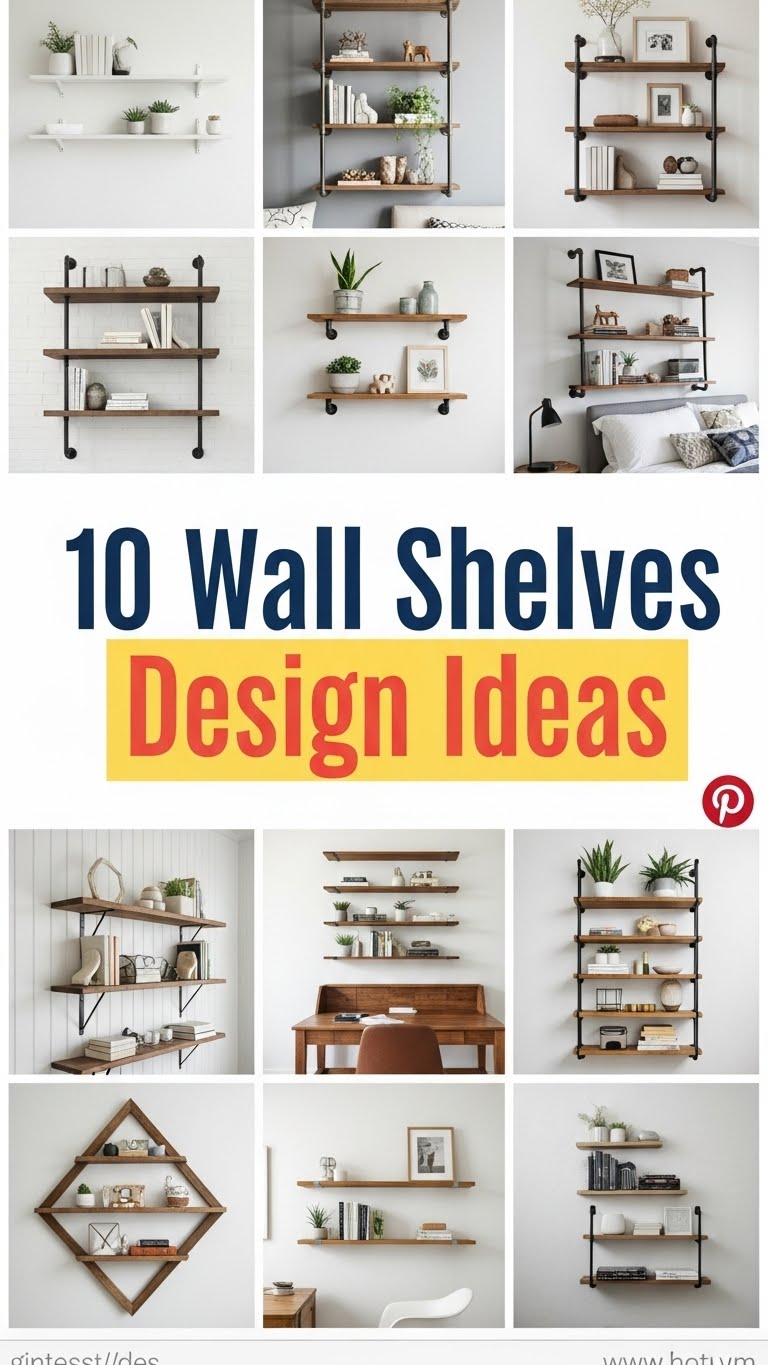
Wall shelves are no longer just practical storage solutions. In modern interiors, they serve as architectural features, visual anchors, and expressions of personal style. Whether minimalist or decorative, wall shelves influence how a space feels, functions, and flows. Thoughtfully designed shelves can make small rooms appear larger, add warmth to sterile walls, and provide an organized yet artistic way to display everyday essentials.
In contemporary homes, wall shelves play multiple roles. They replace bulky furniture, create vertical interest, and adapt to changing needs without permanent renovation. From living rooms and bedrooms to kitchens and home offices, the right wall shelf design can elevate both aesthetics and usability.
This article explores ten wall shelf design ideas that balance beauty and function. Each design is explained in depth, highlighting its visual impact, ideal placement, material considerations, and styling potential. These ideas are intended to inspire homeowners, renters, and interior designers looking to enhance spaces with intentional and stylish shelving solutions.

1. Floating Wall Shelves for a Clean and Modern Look
Floating wall shelves are among the most popular shelf designs in modern interiors. Their defining feature is the absence of visible brackets or supports, creating the illusion that the shelf is seamlessly emerging from the wall. This clean appearance makes floating shelves ideal for contemporary, minimalist, and Scandinavian-inspired spaces.
The simplicity of floating shelves allows them to blend effortlessly into almost any room. In living rooms, they can be arranged above sofas or media units to display books, framed art, or decorative objects. In bedrooms, floating shelves replace bedside tables, saving floor space while maintaining functionality. Kitchens benefit greatly from floating shelves, as they provide easy access to frequently used items while keeping the space visually open.
Material choice plays a significant role in the overall effect. Solid wood adds warmth and texture, while lacquered finishes create a sleek, polished look. Neutral tones such as white, beige, and natural wood shades are timeless, but darker finishes can introduce contrast and sophistication.
Styling floating shelves requires restraint. Because the design is minimal, overcrowding can disrupt the intended aesthetic. A balanced mix of practical and decorative items, with adequate negative space, preserves the shelf’s elegance and visual calm.

2. Corner Wall Shelves for Maximum Space Utilization
Corner wall shelves are designed to transform overlooked areas into functional storage or display zones. Corners often remain unused in interior layouts, yet they offer valuable vertical space that can enhance both organization and design.
These shelves are particularly useful in small rooms where floor space is limited. In compact apartments, corner shelves provide additional storage without intruding into walking areas. Bathrooms benefit from corner shelves for toiletries, towels, or decorative accents. In kitchens, they can hold spices, plants, or frequently used cookware.
Corner shelves come in various shapes, including triangular, curved, and layered designs. A tiered arrangement draws the eye upward, adding height and dimension to the room. Materials such as wood, metal, or glass can be selected based on the desired style, from rustic to modern.
When styling corner shelves, visual balance is essential. Since corners naturally draw less attention than central walls, using textured objects or greenery helps make the shelves feel intentional rather than secondary. Proper lighting, whether natural or artificial, further enhances their presence.

3. Ladder-Style Wall Shelves for Vertical Elegance
Ladder-style wall shelves feature a vertical frame with shelves that gradually decrease or increase in depth. Inspired by leaning ladders, these shelves introduce height and structure while maintaining an open and airy feel.
This design is ideal for rooms that require vertical emphasis, such as living rooms with high ceilings or narrow spaces that feel horizontally constrained. Ladder shelves work well as display units for books, plants, artwork, and personal collections.
Unlike traditional shelving units, ladder-style shelves appear lighter and less bulky. Their open sides allow light to pass through, preventing visual heaviness. Wood finishes create a warm, organic look, while metal frames add an industrial or modern edge.
Placement is key for ladder shelves. They are most effective against blank walls where their shape can stand out. Styling should follow a top-to-bottom rhythm, placing lighter, smaller items on upper shelves and heavier objects lower down for visual stability.

4. Built-In Wall Shelves for a Seamless Interior Design
Built-in wall shelves are integrated directly into the architecture of a space, offering a refined and cohesive look. Unlike surface-mounted shelves, built-ins feel permanent and intentional, often increasing the perceived value of a home.
These shelves are commonly found in living rooms, home libraries, and bedrooms. They frame fireplaces, televisions, or windows, creating focal points that feel custom-designed. Built-in shelves are also excellent for home offices, providing organized storage without additional furniture.
Because built-in shelves are often painted the same color as the walls, they blend seamlessly into the room. Alternatively, contrasting colors or textured back panels can be used to highlight the shelving area. Wood, MDF, and gypsum board are commonly used materials, depending on budget and design requirements.
Styling built-in shelves requires a curated approach. Mixing books, decorative objects, and personal items creates depth and interest. Symmetry often works well, especially in formal spaces, while asymmetrical arrangements suit more relaxed interiors.

5. Industrial Wall Shelves with Metal and Wood Elements
Industrial wall shelves combine raw materials such as metal and wood to create a bold, utilitarian aesthetic. This design style draws inspiration from warehouses and factories, emphasizing structure, texture, and functionality.
These shelves are well-suited for loft apartments, modern homes, and creative workspaces. Exposed metal brackets, pipe-style supports, and reclaimed wood shelves contribute to an authentic industrial look. Dark finishes and visible hardware enhance the rugged appeal.
Industrial shelves are particularly effective in kitchens and home offices, where durability and practicality are essential. They can hold heavy items such as cookware, tools, or large books while maintaining visual interest.
To prevent the space from feeling too harsh, industrial shelves should be balanced with softer elements. Incorporating plants, neutral walls, and warm lighting helps create a comfortable and inviting environment.

6. Glass Wall Shelves for Light and Airy Interiors
Glass wall shelves are ideal for creating a sense of openness and lightness. Their transparent nature allows walls to remain visually unobstructed, making them especially suitable for small or low-lit spaces.
These shelves are commonly used in bathrooms, display areas, and modern living rooms. Glass shelves reflect light, enhancing brightness and creating a refined, contemporary atmosphere. They are often paired with metal or chrome brackets for a sleek finish.
While glass shelves appear delicate, tempered glass offers strength and durability. However, weight considerations are important, as glass shelves are best suited for lighter items such as decor pieces, glassware, or cosmetics.
Styling glass shelves requires careful selection of objects. Clean lines, cohesive color palettes, and minimal clutter preserve the elegant effect. Regular maintenance ensures the shelves remain free of fingerprints and dust, maintaining their pristine appearance.

7. Box Wall Shelves for Structured Display
Box wall shelves, also known as cube or square shelves, offer a structured and geometric approach to wall storage. These shelves create enclosed compartments that frame displayed items, adding definition and order to wall designs.
Box shelves are versatile and adaptable. They can be arranged in symmetrical grids or asymmetrical patterns, depending on the desired visual impact. In living rooms, they serve as decorative displays, while in children’s rooms, they provide accessible storage for toys and books.
Materials range from wood and MDF to metal and composite finishes. Neutral colors maintain a timeless look, while bold hues can make box shelves a statement feature.
When styling box shelves, balance is crucial. Mixing functional items with decorative elements prevents the shelves from feeling too rigid. Alternating filled and empty boxes creates visual breathing room and enhances overall composition.

8. Asymmetrical Wall Shelves for Artistic Expression
Asymmetrical wall shelves break away from traditional symmetry, offering a more dynamic and artistic approach to wall design. These shelves vary in length, height, or placement, creating movement and visual interest.
This design is ideal for creative individuals who want their interiors to feel expressive and unique. Asymmetrical shelves work well in modern living rooms, studios, and contemporary offices. They can function as both storage and wall art.
The key to successful asymmetrical shelving is intentionality. While the design appears unconventional, it should still follow a cohesive layout. Aligning shelves along invisible grid lines or maintaining consistent materials helps achieve harmony.
Styling asymmetrical shelves allows for experimentation. Varying object sizes, textures, and orientations adds depth, while maintaining a consistent color palette ensures cohesion.

9. Wall Shelves with Integrated Lighting
Wall shelves with integrated lighting combine storage with ambiance. Built-in LED strips or spotlights highlight displayed items while adding warmth and depth to interiors.
These shelves are particularly effective in living rooms, bedrooms, and display areas. Lighting draws attention to books, artwork, or decorative objects, turning shelves into focal points. Warm lighting creates a cozy atmosphere, while cool lighting suits modern and professional spaces.
Integrated lighting also improves functionality, especially in dimly lit rooms. Shelves in hallways or reading corners benefit from subtle illumination that enhances usability without overwhelming the space.
Design considerations include concealing wiring and choosing lighting temperatures that complement the room. Dimmable options offer flexibility, allowing users to adjust brightness based on mood and time of day.

10. Modular Wall Shelves for Flexible Living
Modular wall shelves are designed to adapt to changing needs. Consisting of individual components that can be rearranged or expanded, modular systems offer unmatched flexibility.
These shelves are ideal for evolving spaces such as home offices, growing families, or rental properties. As storage requirements change, modules can be added, removed, or repositioned without replacing the entire system.
Modular shelves are available in a wide range of styles, from minimalist to bold and colorful. Their adaptability makes them suitable for nearly any room, including kitchens, living rooms, and bedrooms.
Styling modular shelves is an ongoing process. Their flexibility encourages experimentation, allowing users to refresh layouts and displays over time. This dynamic quality makes modular shelves a long-term and sustainable design choice.

Final Thoughts
Wall shelves are more than functional additions; they are integral design elements that shape the character of a space. From minimalist floating shelves to expressive asymmetrical designs, each style offers unique benefits and aesthetic possibilities.
Choosing the right wall shelf design depends on the room’s purpose, available space, and personal taste. Thoughtful material selection, proper placement, and intentional styling ensure shelves enhance both form and function.